


Listening to the people that matter: insights from Royal London’s trustee roundtable
Royal London entered the bulk annuity market in 2024 with a clear and deliberate ambition: to bring a differentiated, truly customer‑led proposition to an increasingly busy market.
We’re delighted that our entry has been marked by strong early momentum. But we now must increasingly translate that ambition into action as we deliver on our commitments to our customers over the long term.
A key milestone for us in 2026 will be completing our first buyout and welcoming our first individual policyholders. A hugely exciting moment for us and a tangible proof point that our proposition is transitioning from build to delivery. This important moment will be the culmination of a significant investment over several years into our people, processes and systems, designed to ensure pension schemes have a high-quality journey with us at every step.
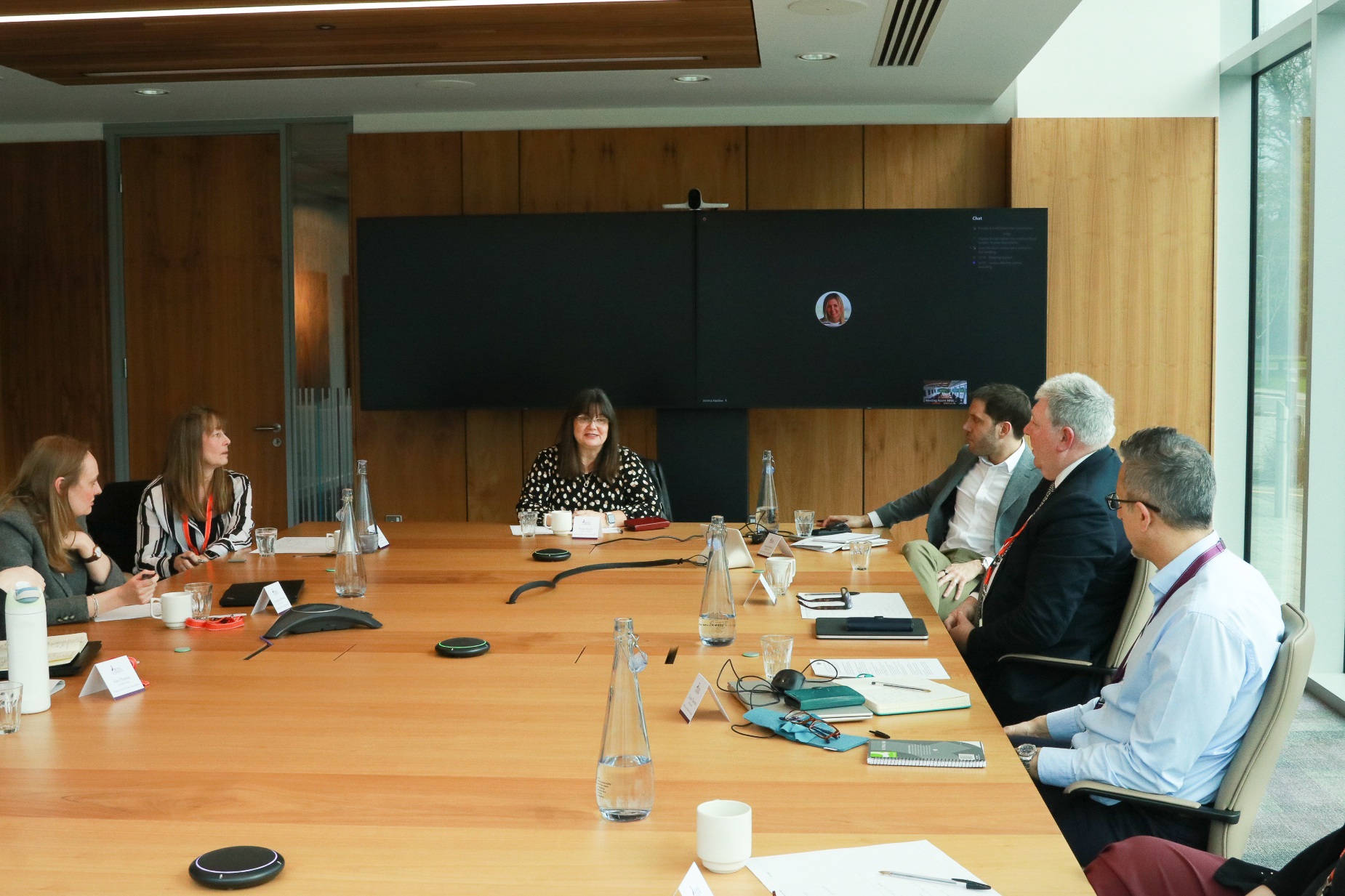
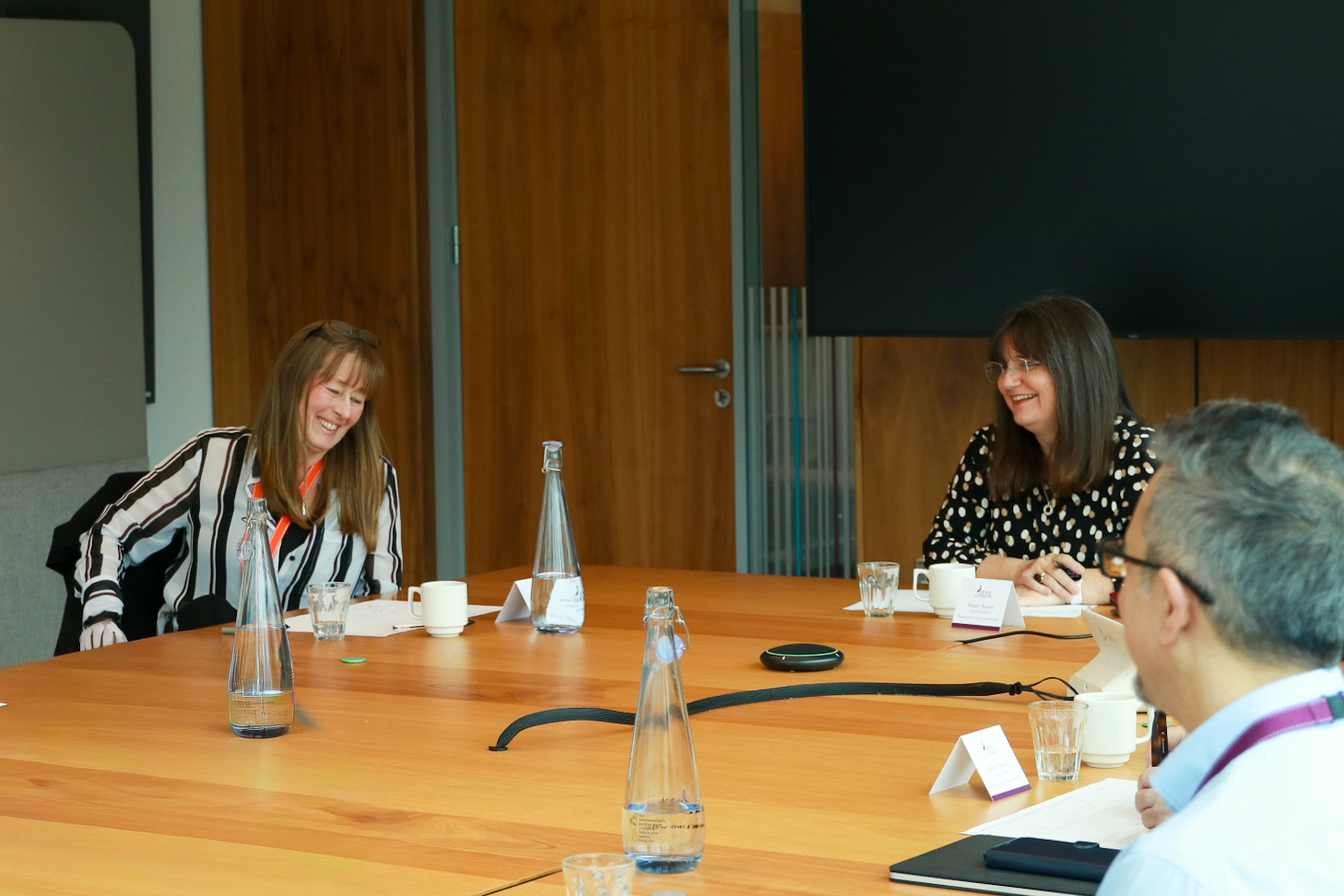
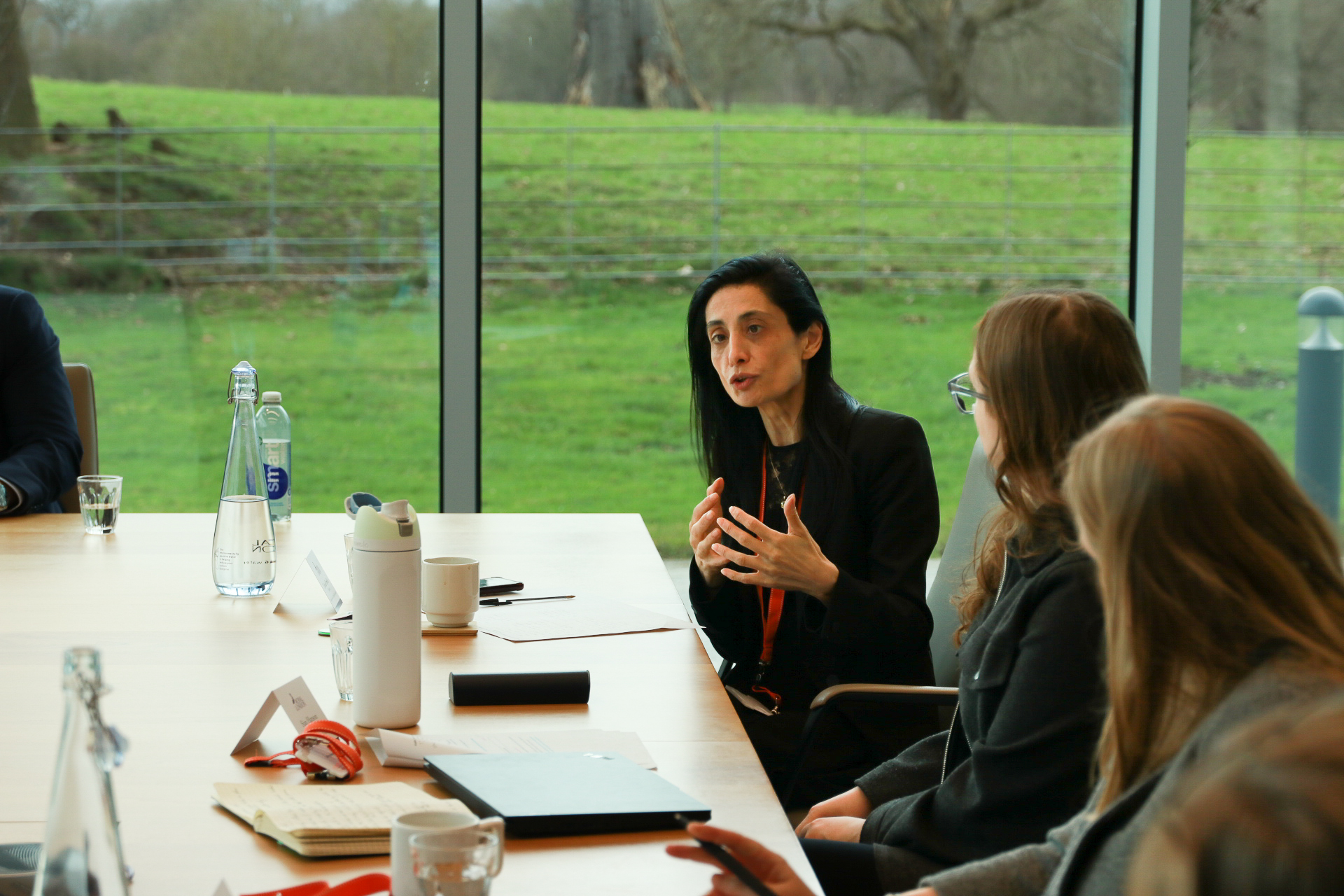
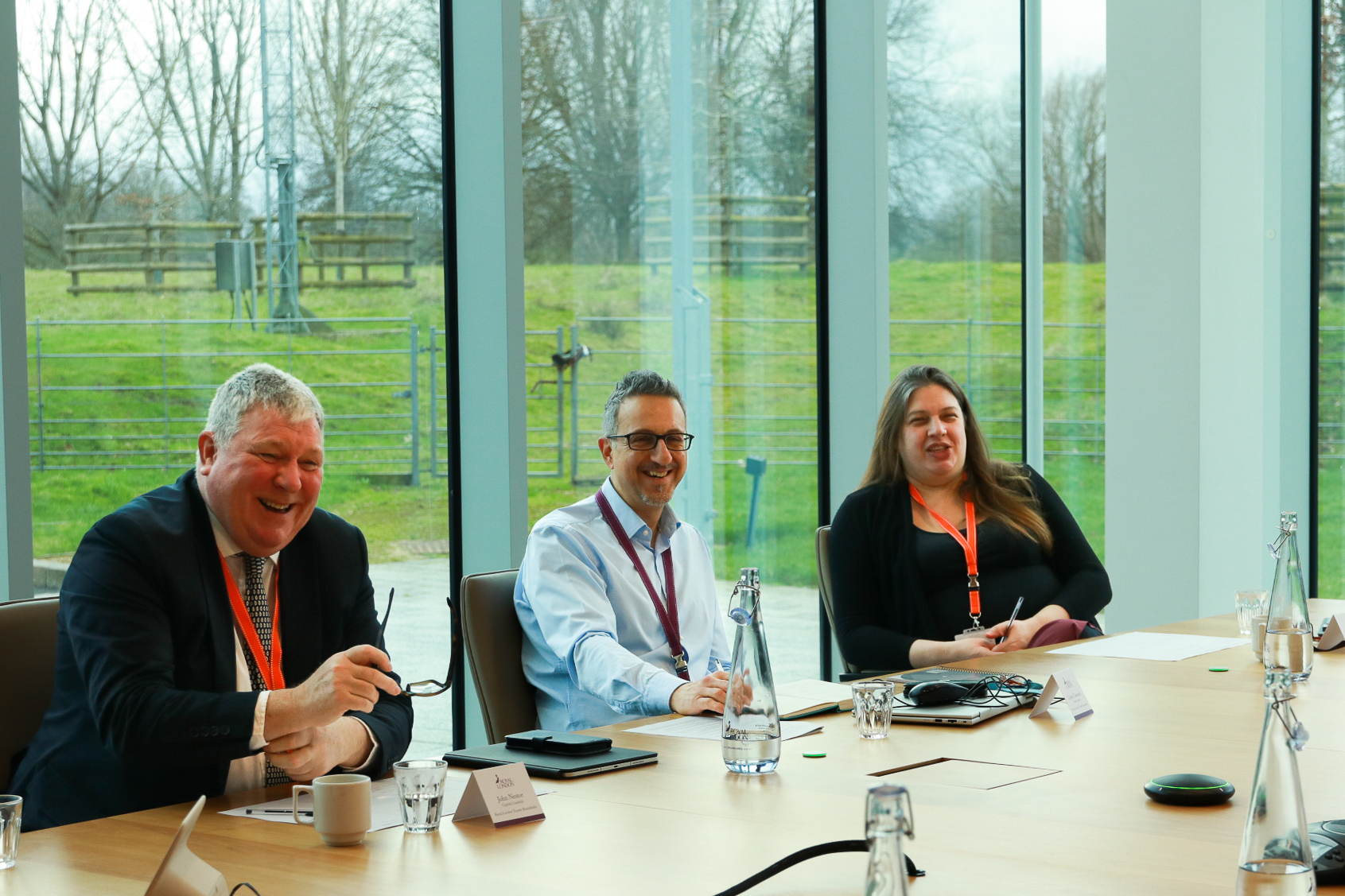
Against that backdrop, Royal London recently hosted a trustee roundtable at our Alderley Park office. The session brought together five experienced professional trustees – who have all transacted with Royal London – with members of our bulk annuity team. The trustees who attended were Amanda Asante from IGG, John Nestor and Susan Anyan from Capital Cranfield, Rachel Tranter from BESTrustees and Tiziana Perrella from Dalriada.
The discussion was independently facilitated by one of our customer research agencies, Boring Money, to support a structured, candid and trustee‑led conversation.
Listening carefully to the people that matter
As a newer entrant to the bulk annuity market, we’re acutely aware of the importance of listening carefully to trustees and learning quickly from real‑world experience. The early feedback on our buy‑in activity has been really positive. But we believe that the true tests of an insurer lie in how effectively it supports pension schemes and their trustees through the transition to buyout and the longer-term member experience.
The roundtable was therefore designed with three clear objectives in mind: to gather direct trustee feedback on what has worked well to date with Royal London; to understand where friction typically arises across the market in the move from buy‑in to buyout; and to explore what they believe ‘great’ looks like from a member experience perspective once individual policies are in place. One trustee opened by reflecting that “the willingness to listen and invest time with trustees is genuinely appreciated”.
Theme one: the trustee journey to date
Trustees consistently emphasised how important it is to have an open, responsive relationship throughout the buy-in journey and, crucially, to have direct access to senior decision makers. Regular communication and clear escalation routes were seen as essential. As one trustee reflected, “in our transaction with Royal London, having direct access for regular conversations made a real difference, both in the process and in the outcome”.
While professional trustees can often form views quickly themselves, they highlighted the need to bring the wider lay trustee board along with them – particularly given the complexity of the process. Royal London’s approach was described as open and direct, with one trustee noting that the team was “not pushing their way” but instead supportive and collaborative at each turn.
Trustees also underlined the importance of strong corporate sponsor engagement in the lead up to and during the buy-in phase. Time spent understanding the pension scheme and the sponsor’s views, particularly when they are more paternalistic, helped maintain alignment and momentum.
Theme two: moving from buy‑in to buyout
This transition phase prompted some of the most detailed discussion. The trustees consistently stressed the importance of realistic and structured timetables that are clearly communicated and then adhered to. Delays were described as costly, both financially and reputationally, particularly where corporate sponsors and members are expecting progress.
As one trustee put it: “Is that realistic? If it’s not, tell me now. I’d rather have a realistic date that sticks than an optimistic one that slips”.
Data readiness and administration handovers were also highlighted as key risk points. Trustees favoured clear data templates over unstructured data files, staged query processes that administrators can resource around, and early escalation when data issues arise. Our participating trustees noted that repeated data refreshes and late requests can undermine member confidence and place unnecessary strain on already stretched administration teams.
Transparency around true‑up premiums and roll‑forward calculations was another recurring theme. Trustees expressed a desire for clearer explanations and more practical timeframes to allow for proper checking, rather than compressed windows that all but guarantee rework. This reinforced the importance of designing our processes around realistic trustee and administrator capacity, not theoretical timelines.
Theme three: the post‑buyout member experience
When discussion turned to post‑buyout, trustees were unanimous that member experience extends far beyond technology, tick boxes and SLAs. While digital tools and portals are important, they cannot replace timely communication and empathetic human interaction, particularly at critical life events such as retirement or due to bereavement. Similarly, a focus on SLAs doesn’t necessarily measure the real experience of a policyholder.
One trustee observed: “When insurers talk about member experience, it can sometimes feel like they mean a ‘whizzy’ website. But people actually want to speak to someone, especially at key moments.” Another highlighted how tone and reassurance during phone calls can be just as important as the speed of resolution.
The trustees also emphasised the importance of dovetailing communications with the needs of the pension scheme, for example ensuring welcome letters are received comfortably ahead of the first pension payment by the insurer. For trustees, getting these big moments right defines the member experience as much as any service metric ever could.
What this means for Royal London
The insights from the roundtable reinforced many principles that are shaping our approach. These include maintaining consistent team access throughout the journey, setting and meeting realistic expectations, investing in clear end‑to‑end planning, and designing member communication channels that build confidence and focus as much on culture as the substance.
As a mutual, with a long‑term outlook and in‑house administration capability for these policies, we believe we’re well placed to deliver. We’re conscious of the service constraints trustees have experienced elsewhere in the market and we’re focused on building sustainable capacity. However, our guests were clear that reputation is hard‑won and easily lost, and that long-term delivery will be the true measure of our success.
We’re grateful to the trustees who shared their experiences so openly, and to Boring Money for facilitating an insightful and constructive discussion. The feedback gathered will directly inform how we continue to refine our proposition: ensuring that as we grow, we do so with our customers firmly at the heart of everything we deliver.