


Listening to the people that matter: insights from our buyout policyholder roundtable
After three years of extensive planning, Royal London will shortly welcome its first individual bulk annuity policyholders. Creating a policyholder experience that feels personal, reassuring and genuinely customer-led is at the heart of our ambition.
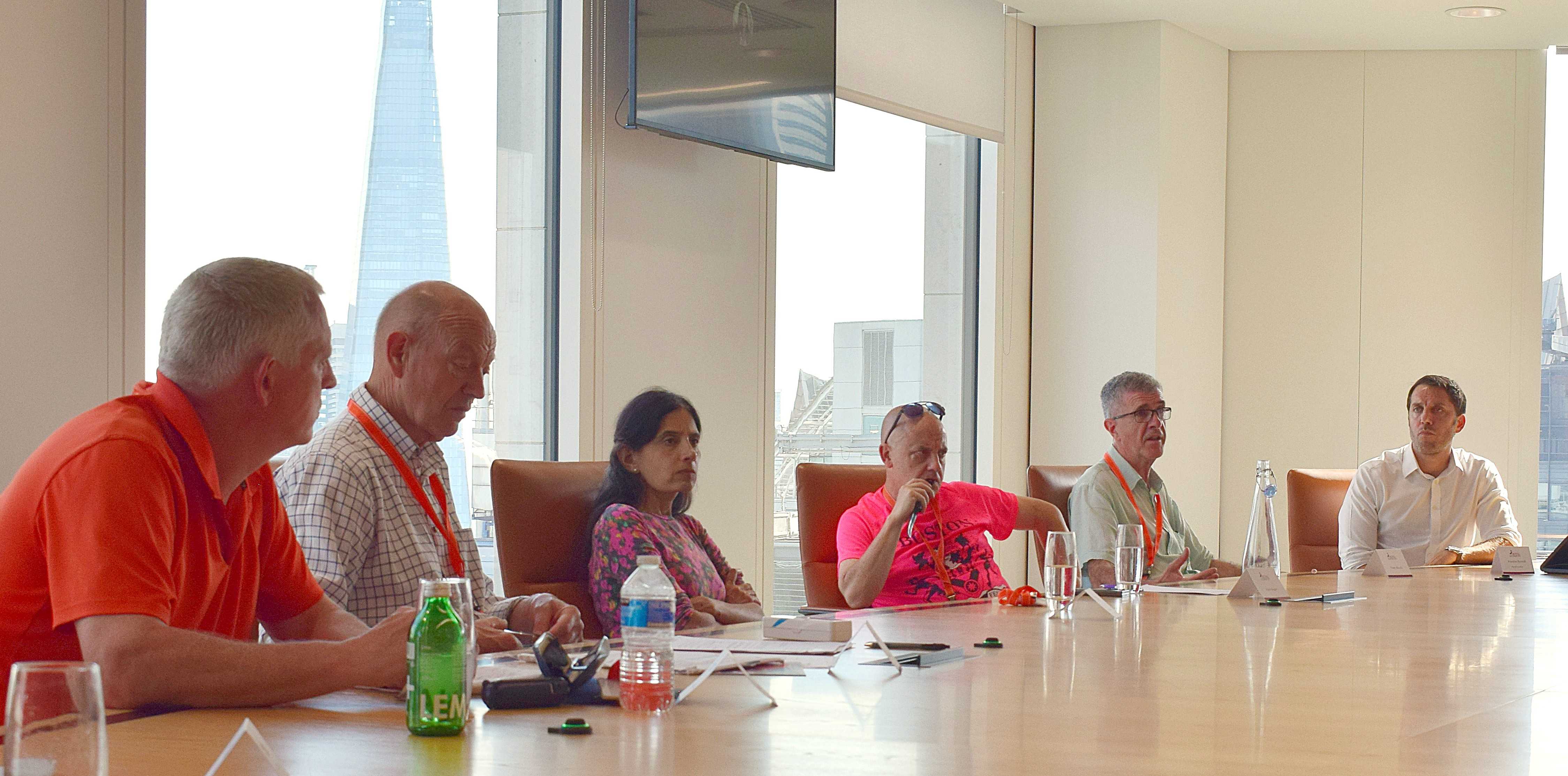
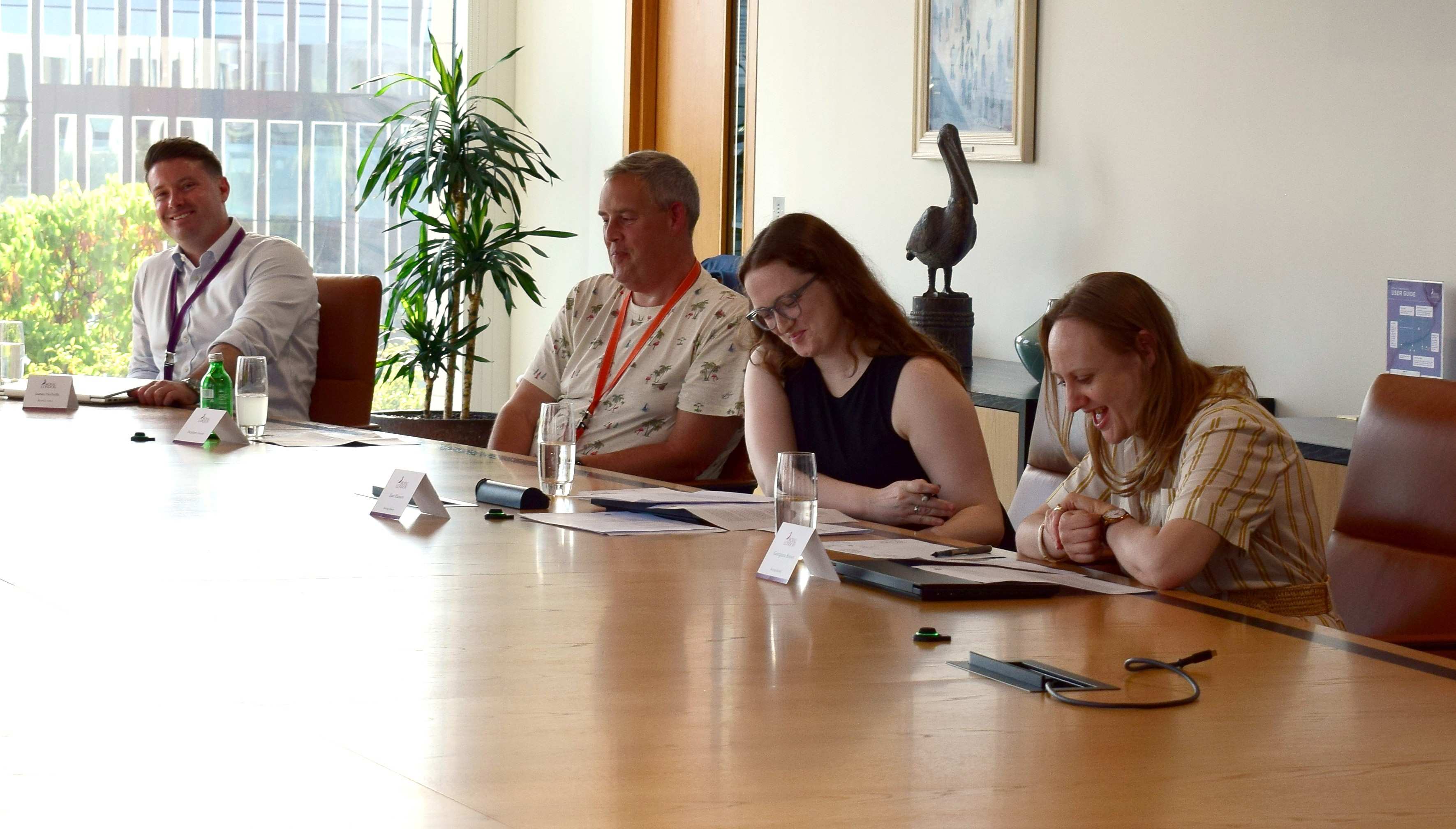
We recently hosted a roundtable at our London office to help shape the experience we provide to these customers. It brought together seven people who had experienced a buy-in and, in most cases, subsequent buyout transition with other bulk annuity insurers, including both pensioners in payment and deferred members.
The discussion complemented our recent trustee roundtable and was independently facilitated by one of our customer research agencies, Boring Money.
The open conversation covered all aspects of a member’s experience of a buyout; from the first letter they received about the buy-in through to becoming a policyholder at an insurer and beyond.
What we heard reinforced the importance of understanding customers’ needs, communicating clearly and providing support where it matters. Those themes we explore in this article resonate strongly with Royal London's mutual ethos and our commitment to putting customers at the heart of what we do.
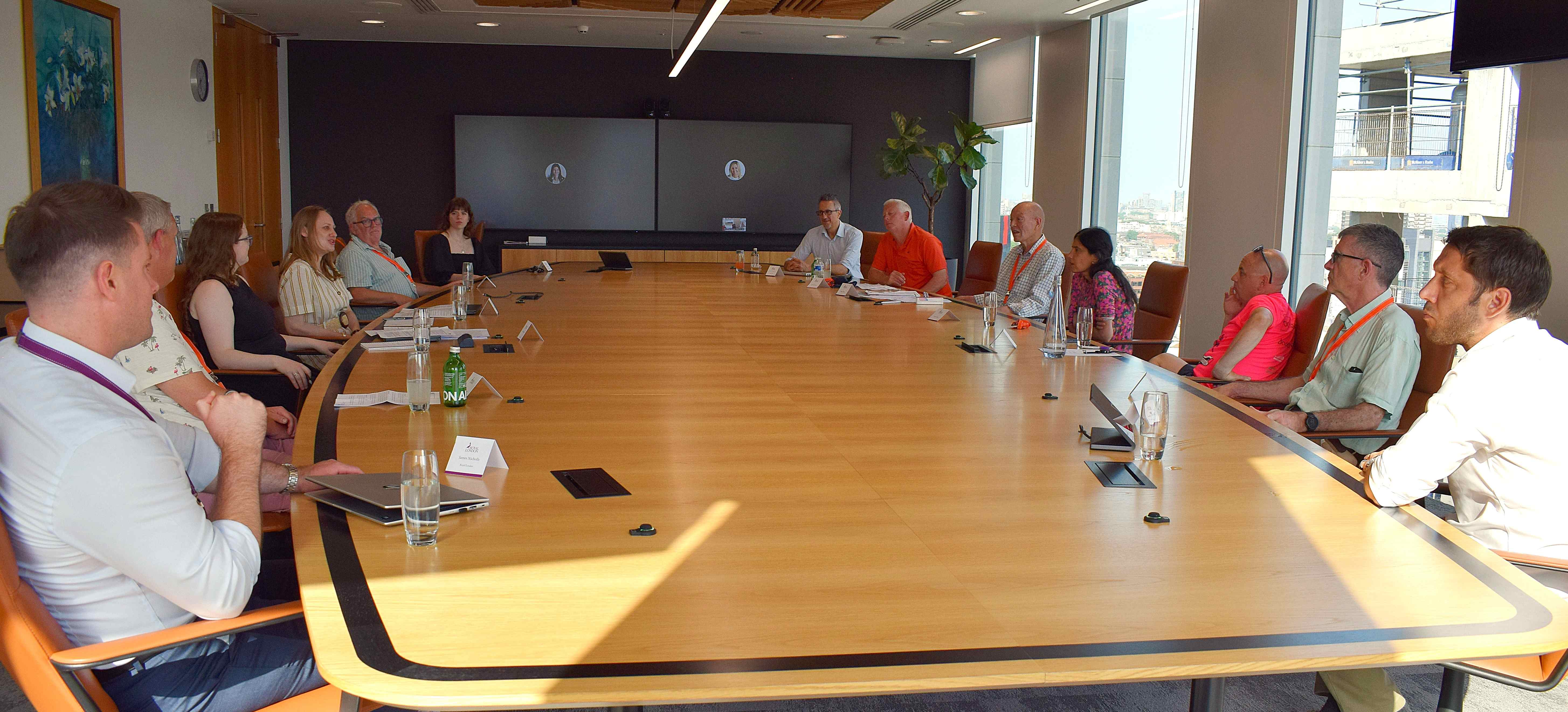
Listening directly to pension scheme members who have been through a buyout transition
We wanted to understand how the pension scheme members felt during the transition, what gave them confidence, what concerns they had, and what they value most from an insurer.
Across the discussion, participants repeatedly returned to the importance of clear communication, accessible support and confidence in the organisation responsible for paying their pension.
During buy-in: helping members understand the change
Members told us that they wanted a clear explanation of why the buy-in had taken place and what it meant for them. This was especially important for deferred members whose retirement decisions still lay ahead. They told us that whilst communication from their trustees was invaluable, they also wanted to see more from their selected insurer earlier in the buy-in to buyout transition too.
For many, understanding the reasons for the change was closely linked to feeling confident and reassured about the transition.
Insurer brand familiarity mattered to everyone around the table. Attendees who recognised the insurer involved described feeling a much-improved sense of comfort as they considered the detail and implications. As one participant put it: “I do draw reassurance from a large and significant brand that you’ve heard of”. By contrast, another attendee reflected on moving to a provider they were unfamiliar with: “I've never heard of them and that is what leaves me feeling a bit concerned”.
At the point of buyout: making the transition feel clear and reassuring
The point of buyout is where the change becomes more tangible for members. The members at the roundtable reinforced the importance of timely, clear and sustained communication. Long gaps create uncertainty.
As one attendee put it: “Set expectations and meet them… be really clear about what you’re going to do and then do it”. A common grumble appeared to be creating expectations around access to an online member portal only for that access to then be repeatedly delayed.
Different members need different support
Expectations of what good service looks like differed significantly depending on where members were in their retirement journey. Pensioners in payment were understandably focused on continuity and certainty of payment, clear payslips, and timely standard documentation, like P60s and annual pension increase letters.
For deferred members, or those approaching retirement, the questions were more diverse and potentially more complex. One attendee said people further from retirement could feel “lost in a world of uncertainty” without clear answers on retirement options, early retirement factors or quote timings. It’s important that they know where to go to find this information from their pension scheme or insurer, whether it’s written correspondence, a phone number or an online portal.
Providing information in ways people can use
The discussion also reinforced a familiar challenge: engagement with written pension communications can be low, and letters alone do not work for everyone.
One customer put it plainly: “Sometimes there’s a lot of people who can’t really comprehend information from a letter”. They said that they would prefer “a video or… a webinar” and “something that was bespoke to what category of employee I was”.
Online portals were seen as particularly valuable by customers still planning retirement, giving them easy access to documents, statements and tools to explore different scenarios.
More broadly, attendees wanted information to be accessible, easy to find and available in different formats. Formal letters remain essential, but they work best as part of a broader mix of written, digital and conversational communications.
When members need help, expertise matters
When customers contacted their insurer, the quality of the interaction often came down to whether they reached someone who could answer their question confidently.
One attendee said his insurer was “reasonably responsive if you get the right person”. The right person could be “incredibly informative”, while others were “a bit vague”.
This underlines the importance of specialist, well-trained teams who can understand each specific scheme, administer pensions accurately and explain complex information clearly. Royal London’s dedicated bulk annuity customer service team in Alderley Edge will play an important role in providing that support.
What this means for Royal London
The roundtable provided valuable insight into the experiences and expectations of people who have been through a buyout transition. While priorities differed depending on where members were in their retirement journey, a common thread was the importance of feeling informed, supported and confident throughout the process.
For Royal London, the findings are helping us finalise a proposition built around transparent transition communications, tailored journeys, practical digital tools, and customer service teams equipped to support more complex retirement questions.
Continuing to listen
The roundtable gave us valuable insight into how a buyout transition feels in practice. As we prepare to welcome our first buyout policyholders, we'll continue listening to members, trustees and advisers and using those insights to shape the experience we provide.